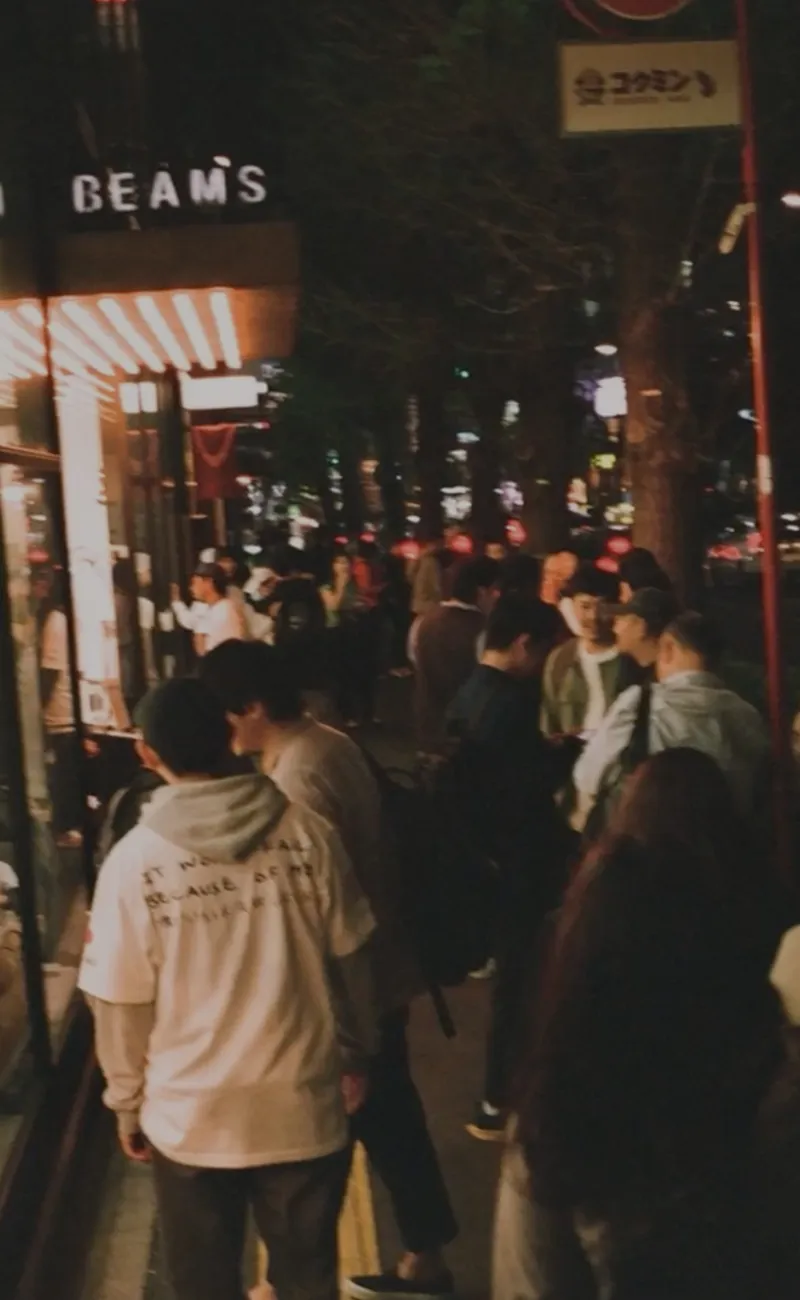
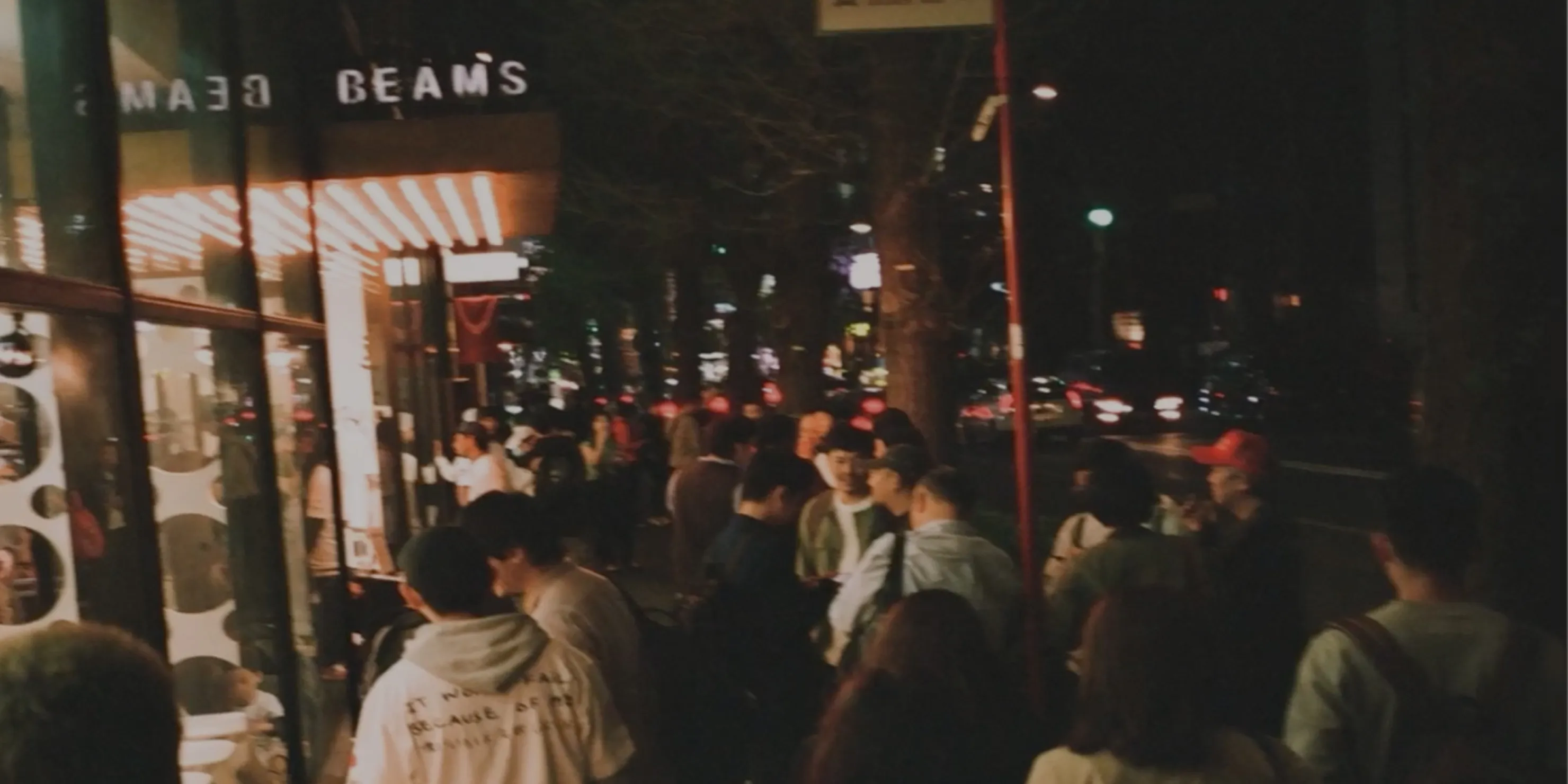
وُلدت في طوكيو، بإلهام من لوس أنجلوس... منذ عام 1976، أعادت "بيمز" (BEAMS) تخيل الأسلوب الأمريكي عبر عدسة يابانية فريدة.
والآن، وبعد عقود من التبادل الثقافي، نعود إلى موطننا.
Born in Tokyo, inspired by Los Angeles—BEAMS has reimagined American style through a Japanese lens since 1976.
Now, after decades of cross-cultural
exchange, we’re coming home.
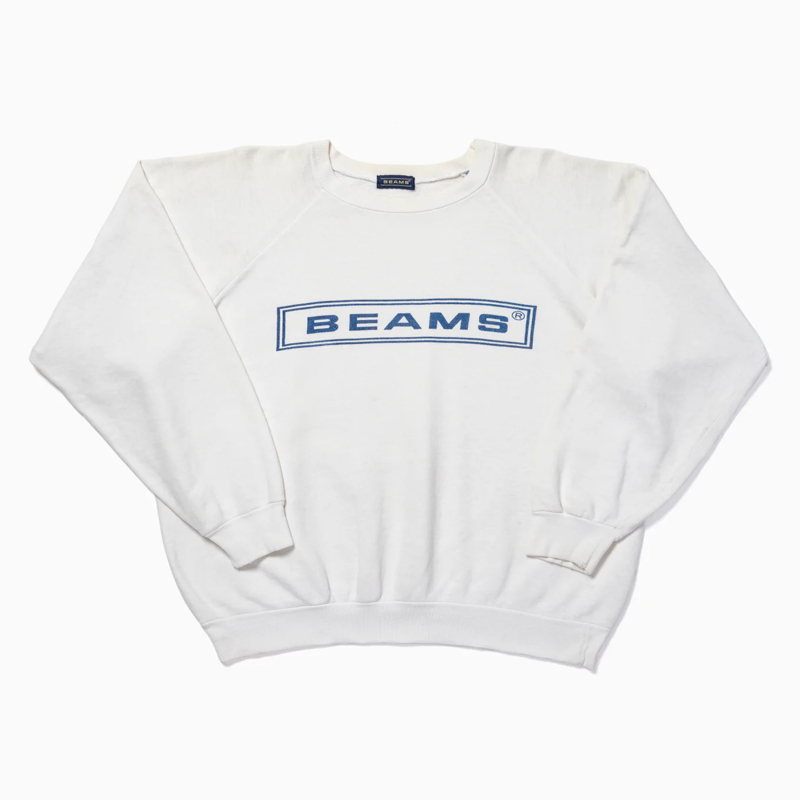
1970s السبعينيات
The Founding of the Company and
Admiration for the American Lifestyle
تأسيس الشركة والشغف
بنمط الحياة الأمريكي
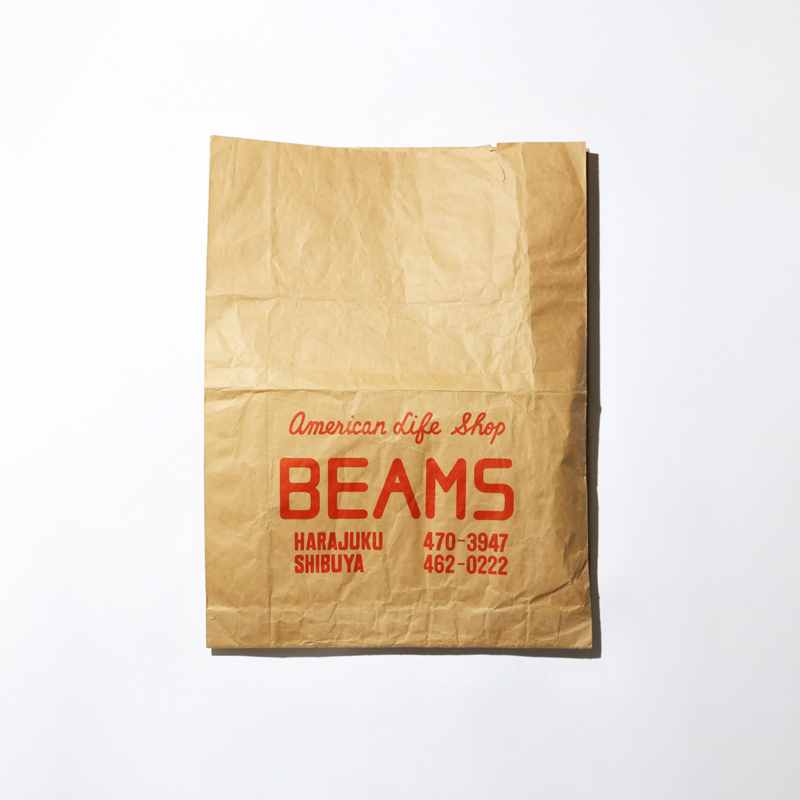
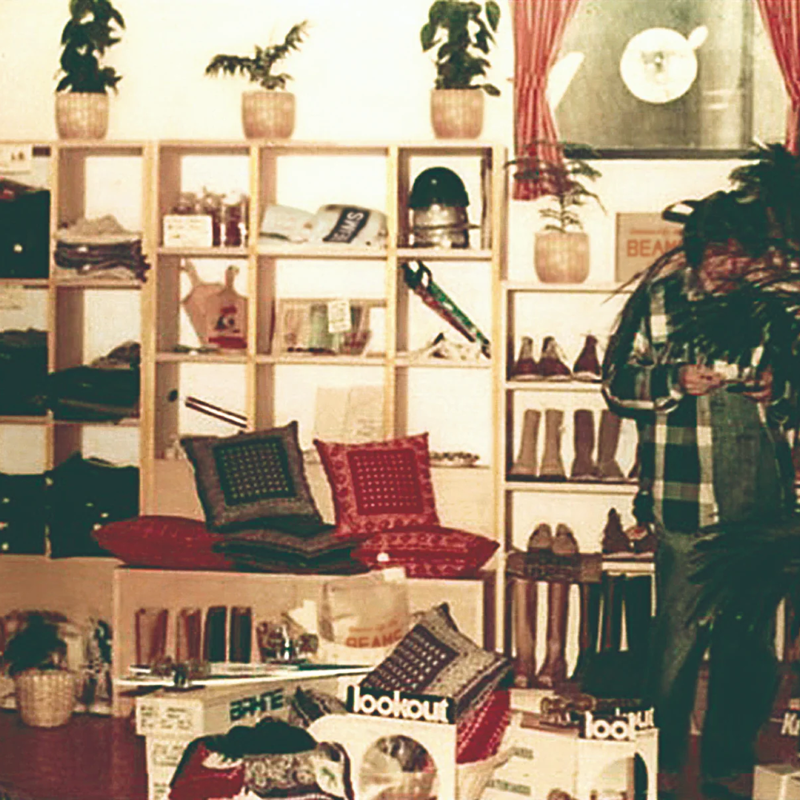
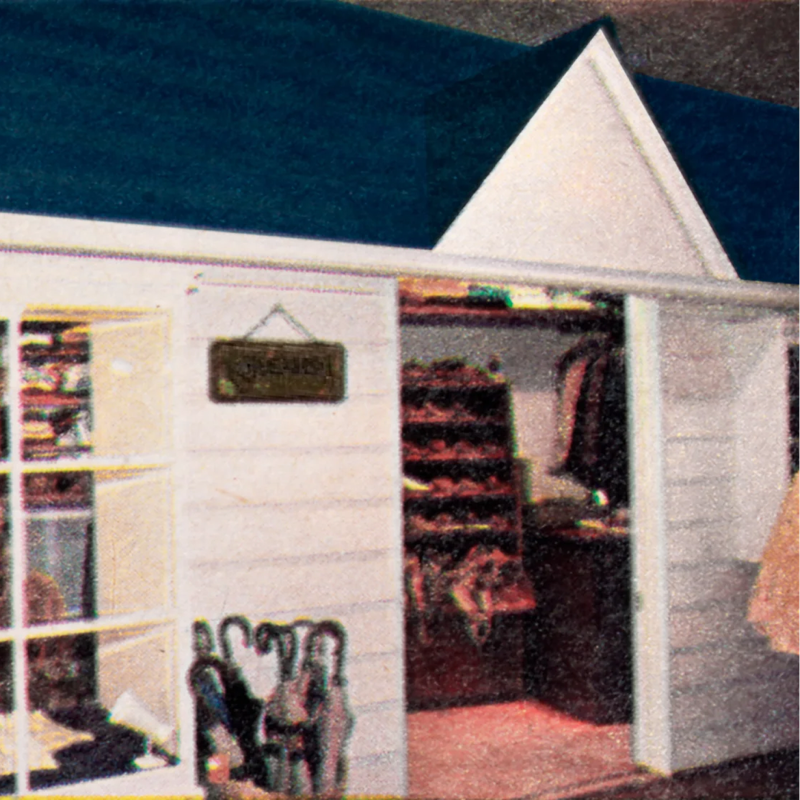
The story of BEAMS begins in February 1976, when founder Etsuzo Shitara opened a tiny, 21-square-meter imported clothing shop called American Life Shop BEAMS in Tokyo’s Harajuku neighborhood. Shitara hoped the store would offer young people something completely new. The name “BEAMS” played on the store’s ambitions: casting light on quality products from around the world, supporting others as a solid structural unit, and leaving customers with “beaming smiles.”
تبدأ قصة "بيمز" في فبراير 1976، حين افتتح المؤسس "إتسوزو شيتارا" متجراً صغيراً للملابس المستوردة بمساحة لا تتجاوز 21 متراً مربعاً، تحت اسم "أميركان لايف شوب بيمز" (American Life Shop BEAMS) في حي هاراجوكو بطوكيو. كان أمل "شيتارا" أن يقدم للشباب شيئاً جديداً كلياً. وقد جاء اسم "BEAMS" (أشعة) ليعكس طموحات المتجر في ثلاثة معانٍ: تسليط الضوء على المنتجات عالية الجودة من جميع أنحاء العالم، ودعم الآخرين كدعامات بناء قوية (BEAMS)، ورسم "الابتسامة المشرقة" (Beaming smiles) على وجوه العملاء.
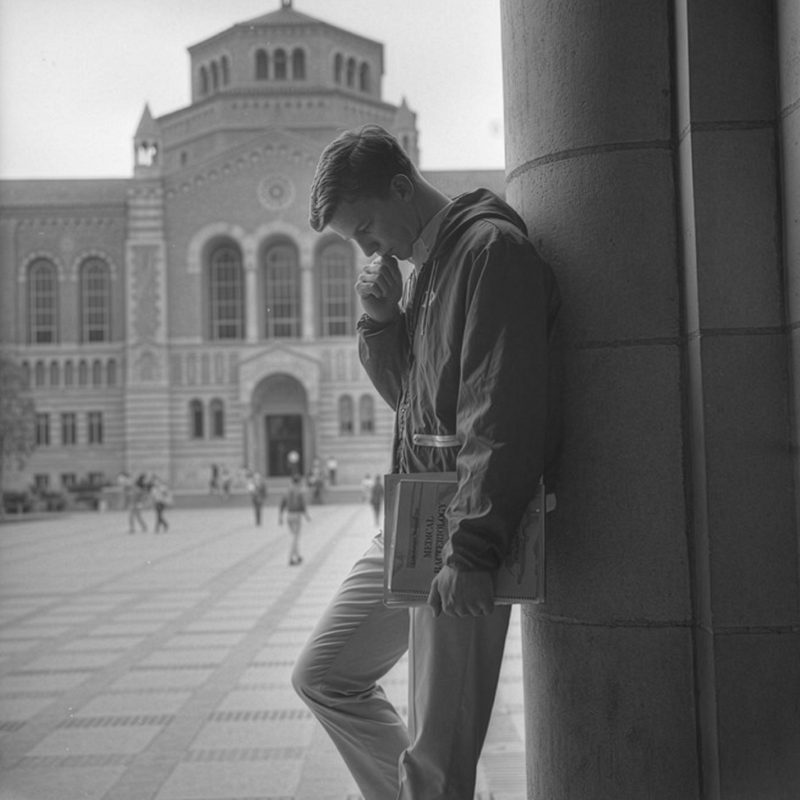
Set up to resemble a UCLA dorm room, the shop sold all the items indispensable to the youth of the American West Coast, from athletic sweatshirts to mousetraps. Even in these early days, BEAMS never just sold clothing but offered a full variety of goods to better illustrate how people overseas were living in new ways.
صُمم المتجر ليشبه غرفة سكن جامعي في جامعة كاليفورنيا (UCLA)، وكان يبيع كافة العناصر التي لا غنى عنها لشباب الساحل الغربي الأمريكي، بدءاً من السترات الرياضية وصولاً إلى مصائد الفئران. حتى في تلك الأيام الأولى، لم تكتفِ "بيمز" ببيع الملابس فحسب، بل قدمت تشكيلة كاملة من البضائع لتوضح بشكل أفضل كيف يعيش الناس في الخارج أنماط حياة جديدة.
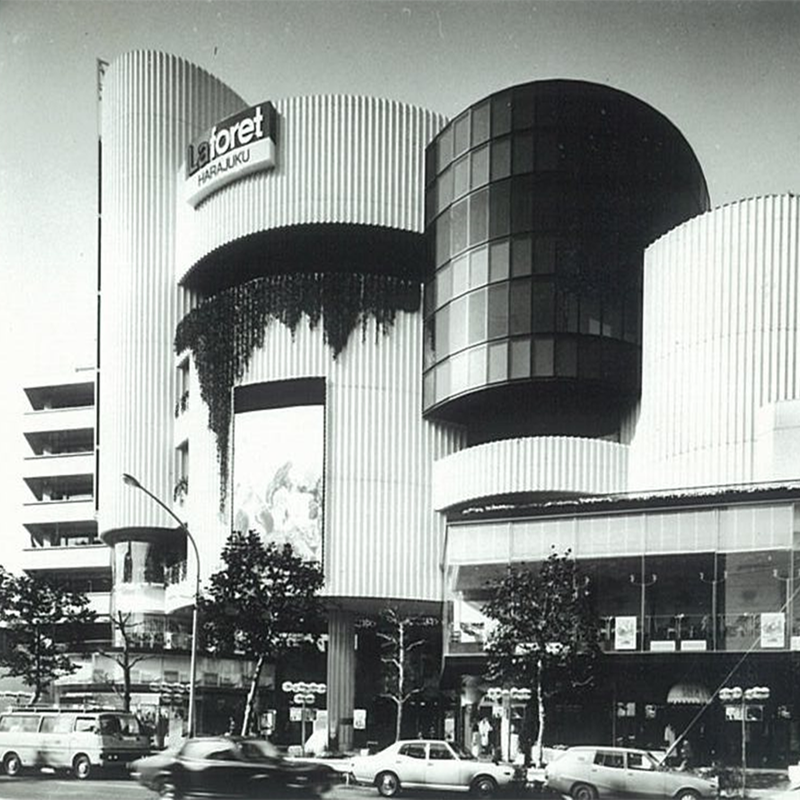
Over the past few decades, Harajuku has become a global mecca of street fashion, initially attracting young people from throughout Japan and, now, tourists from abroad. But when BEAMS opened forty years ago, there were no famous shopping complexes or landmarks like Laforet Harajuku. The entire idea of “fashion” was limited to local versions of Ivy League clothing and a few artisanal designers who produced small lots out of their cramped apartments. Moreover, compared to womenswear or business suiting, the men’s casual market was especially underdeveloped.
صُمم المتجر ليشبه غرفة سكن جامعي في جامعة كاليفورنيا (UCLA)، وكان يبيع كافة العناصر التي لا غنى عنها لشباب الساحل الغربي الأمريكي، بدءاً من السترات الرياضية وصولاً إلى مصائد الفئران. حتى في تلك الأيام الأولى، لم تكتفِ "بيمز" ببيع الملابس فحسب، بل قدمت تشكيلة كاملة من البضائع لتوضح بشكل أفضل كيف يعيش الناس في الخارج أنماط حياة جديدة.
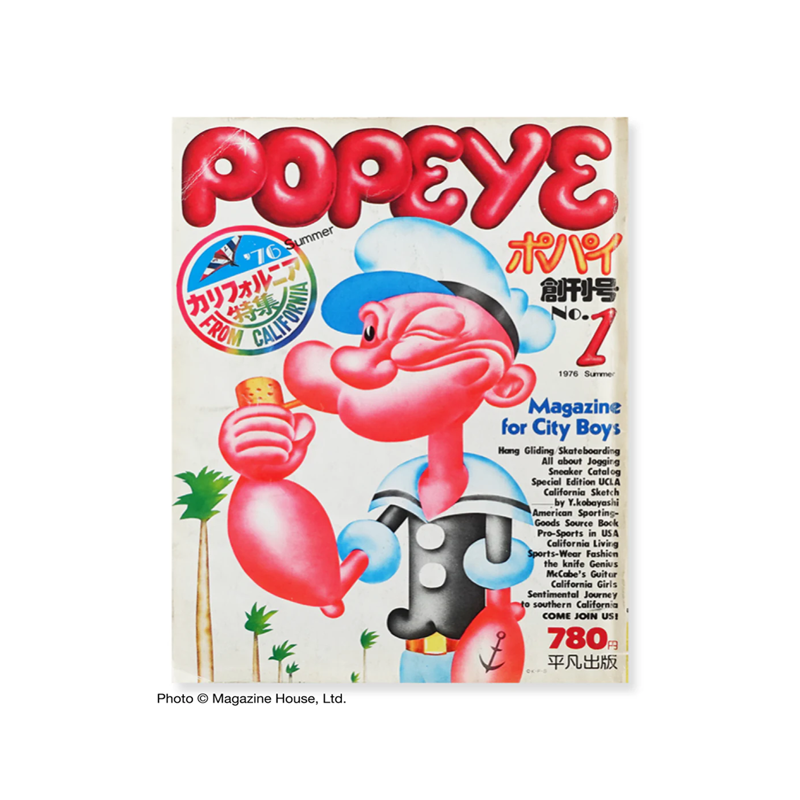
The first BEAMS store—which sold imported goods from the West Coast—embodied the country’s aspirations toward living an authentic American lifestyle. The same year as the store’s opening, a new men’s fashion magazine, Popeye (Magazine House), appeared on newsstands, focused primarily on West Coast culture. BEAMS and Popeye worked together closely to exchange the latest information about foreign culture and merchandise, forging a strong relationship that lasts to this day.
جسّد أول متجر لـ "بيمز" - الذي باع بضائع مستوردة من الساحل الغربي - تطلعات البلاد نحو عيش نمط حياة أمريكي أصيل. وفي نفس عام افتتاح المتجر، ظهرت مجلة أزياء رجالية جديدة تدعى "بوباي" (Popeye) في أكشاك بيع الصحف، ركزت بشكل أساسي على ثقافة الساحل الغربي. عملت "بيمز" و"بوباي" معاً بشكل وثيق لتبادل أحدث المعلومات حول الثقافة الأجنبية والبضائع، مما أسس لعلاقة قوية مستمرة حتى يومنا هذا.
In 1977 BEAMS opened a second store in Shibuya to sell more West Coast–inspired products. Two years later, Shitara and his team jumped on the bandwagon for Ivy League and “Trad” styles, launching a new kind of shop—BEAMS F. The “F” stood for “future,” charging the company with a new mandate to stock the most desirable foreign brands before anyone else.
في عام 1977، افتتحت "بيمز" متجراً ثانياً في شيبويا لبيع المزيد من المنتجات المستوحاة من الساحل الغربي. وبعد عامين، انضم "شيتارا" وفريقه إلى موجة أسلوب "رابطة اللبلاب" والأسلوب التقليدي (Trad)، مطلقين نوعاً جديداً من المتاجر باسم "BEAMS F". كان الحرف "F" يرمز إلى "المستقبل" (Future)، مكلفاً الشركة بمهمة جديدة تتمثل في توفير أكثر العلامات التجارية الأجنبية رغبة قبل أي شخص آخر.
The store offered an impressive collection of East Coast American goods; later, BEAMS F went straight to an even more authentic source of traditional goods, the United Kingdom, to find merchandise better suited to its customers joining the workforce.
In these years, BEAMS established the archetypal way that Japanese specialty stores operated—with cultural antennae held high to the skies, constantly searching for the latest styles, fashion, and lifestyles.
قدم المتجر مجموعة مبهرة من بضائع الساحل الشرقي الأمريكي؛ ولاحقاً، توجهت "BEAMS F" مباشرة إلى مصدر أكثر أصالة للسلع التقليدية، وهو المملكة المتحدة، للعثور على بضائع تناسب عملاءها الذين انضموا حديثاً إلى القوى العاملة.
في هذه السنوات، رسخت "بيمز" النموذج الأصلي لطريقة عمل المتاجر المتخصصة اليابانية: هوائيات ثقافية موجهة عالياً نحو السماء، تبحث باستمرار عن أحدث الأنماط والموضة وأساليب الحياة.
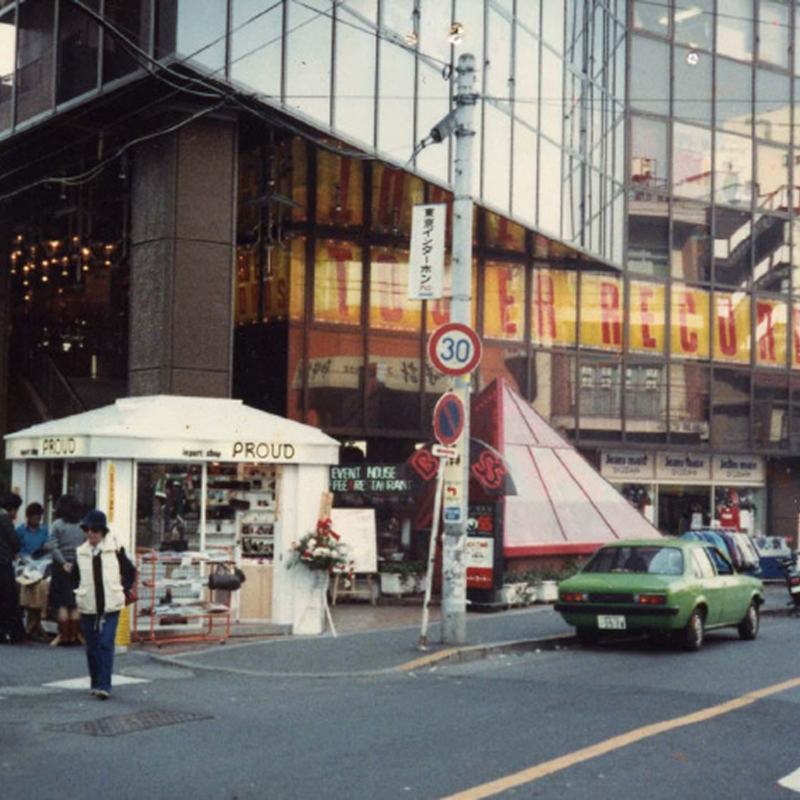
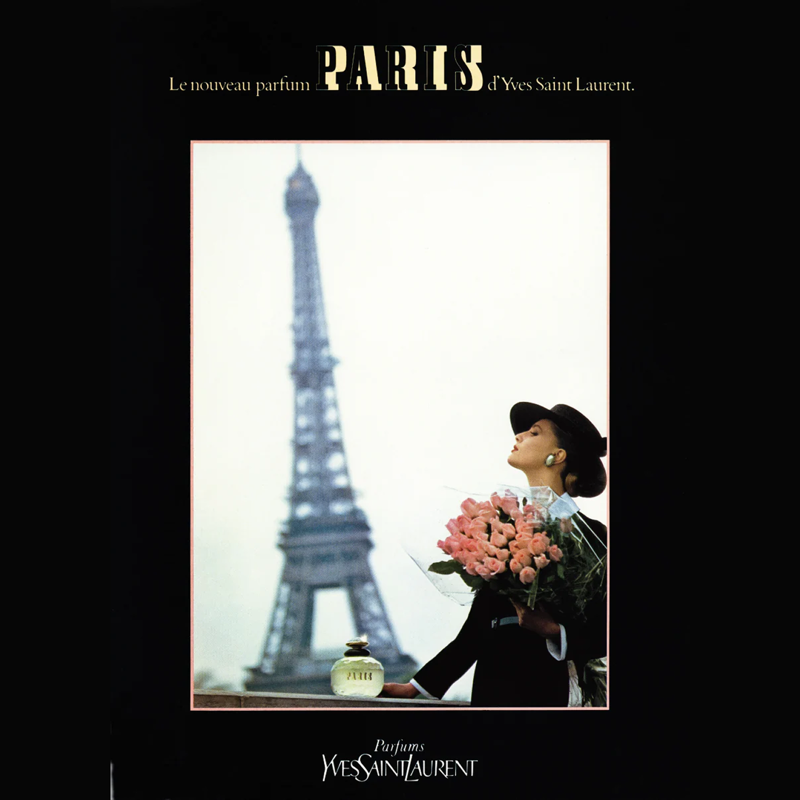
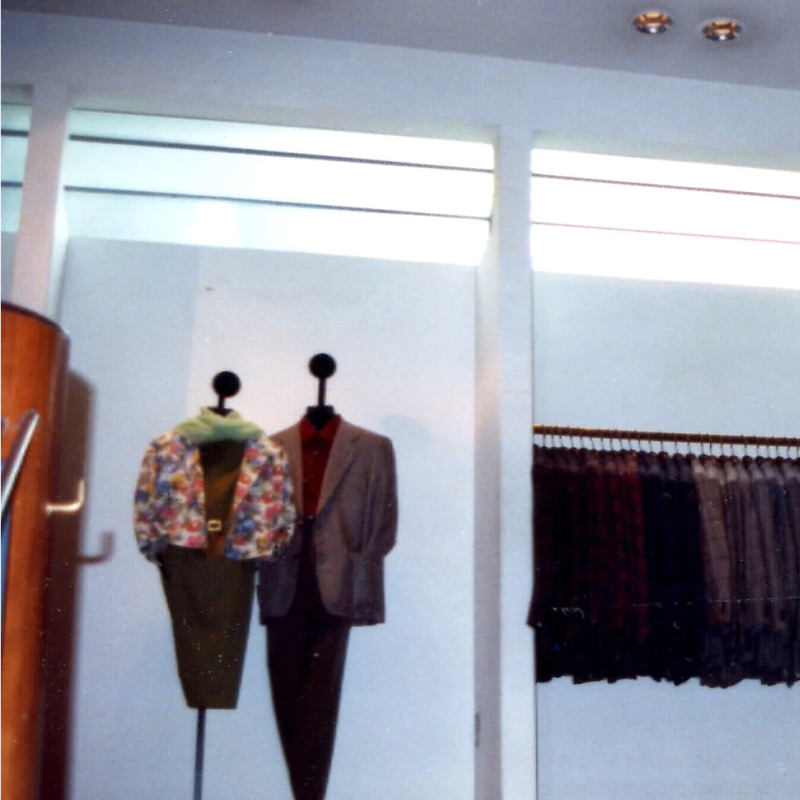
1980s الثمانينيات
Japanese Economic Growth
and the Boom of the Business
النمو الاقتصادي الياباني
وازدهار الأعمال
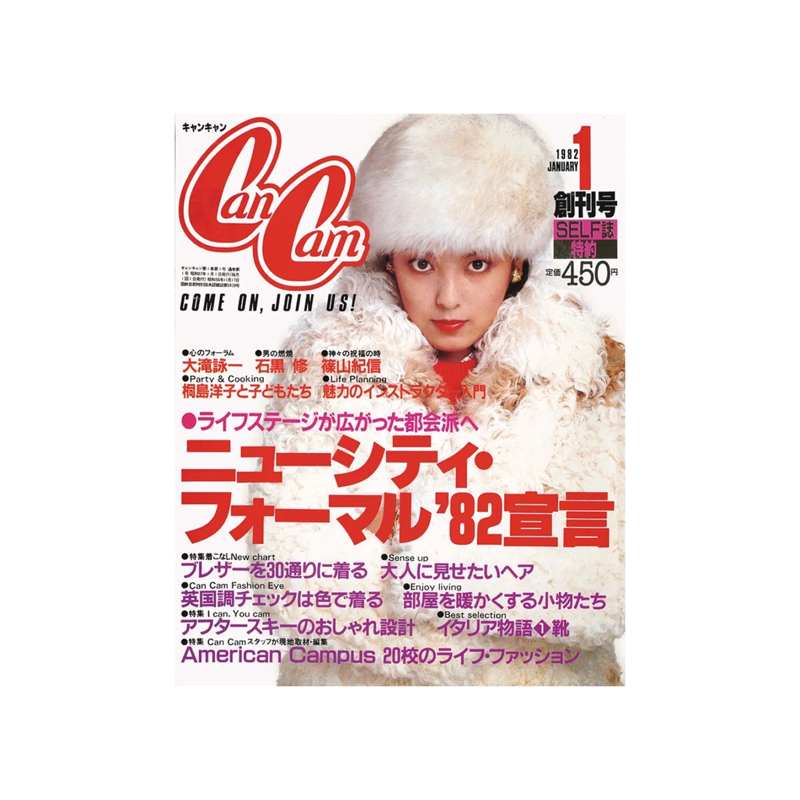
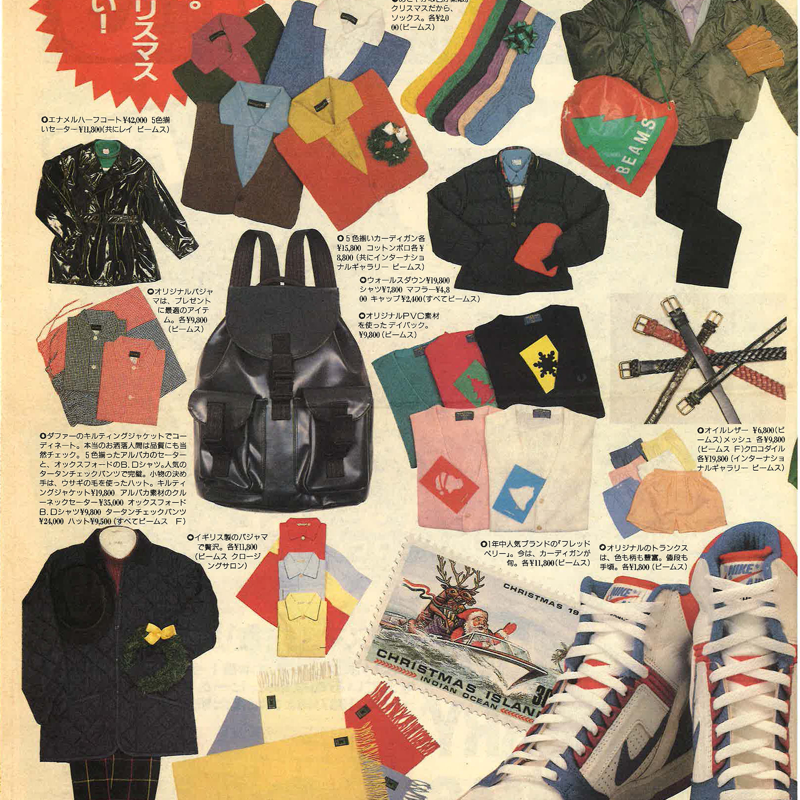
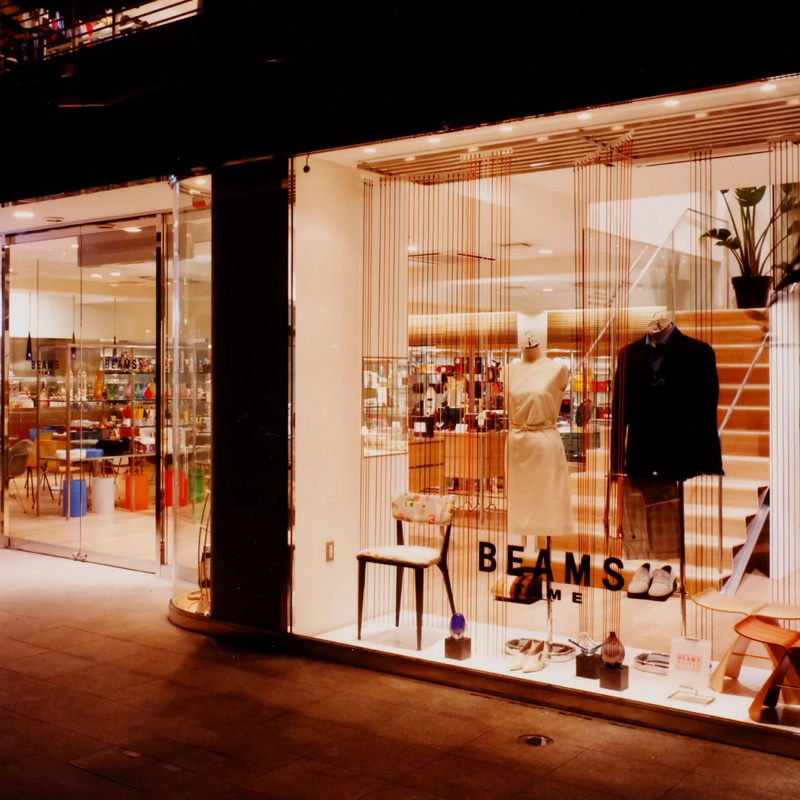
As the Japanese economy surged in the 1980s, Japanese youth became even more interested in fashion. But they grew bored of America and instead came to love design-conscious brands from Europe. This shift toward global diversity and cultural sophistication was not lost on BEAMS, which opened International Gallery BEAMS, the ne plus ultra of specialty shops, in 1981.
مع صعود الاقتصاد الياباني في الثمانينيات، أصبح الشباب الياباني أكثر اهتماماً بالموضة. لكنهم شعروا بالملل من أمريكا وبدؤوا بدلاً من ذلك يعشقون العلامات التجارية التي تركز على التصميم من أوروبا. لم يغب هذا التحول نحو التنوع العالمي والرقي الثقافي عن "بيمز"، التي افتتحت International Gallery BEAMS في عام 1981، والذي كان يُعد القمة في عالم المتاجر المتخصصة.
International Gallery BEAMS offered a selection from the world's top brands and maisons as well as artworks from up-and-coming artists. At the same time BEAMS deepened its relationship with high-quality Japanese brands, such as Yoshida Kaban, a bag maker that forced young Japanese fashionistas to rethink their single-minded obsession over imports.
قدم هذا المعرض مجموعة مختارة من أرقى العلامات التجارية ودور الأزياء العالمية، بالإضافة إلى أعمال فنية لفنانين صاعدين. في الوقت نفسه، عمقت "بيمز" علاقتها بالعلامات التجارية اليابانية عالية الجودة، مثل "يوشيدا كابان" (Yoshida Kaban)، صانع الحقائب الذي دفع عشاق الموضة الشباب في اليابان إلى إعادة التفكير في هوسهم الوحيد بالمنتجات المستوردة.
In 1981 Comme des Garçons and Yohji Yamamoto presented their debut collections in Paris, shaking up the world of prêt-à-porter. By the mid-1980s in Japan, the influence of such designers ushered in a craze for so-called Designer and Character (DC) brands. During this period, Tokyo fashion was no longer simply an imitation of styles from overseas; it transformed into something original and uniquely Japanese.
في عام 1981، قدمت "كوم دي غارسون" (Comme des Garçons) و"يوجي ياماموتو" (Yohji Yamamoto) مجموعاتهم الأولى في باريس، مما أحدث هزة في عالم الملابس الجاهزة. وبحلول منتصف الثمانينيات في اليابان، أدى تأثير هؤلاء المصممين إلى جنون ما يسمى بعلامات "المصممين والشخصيات" (DC brands). خلال هذه الفترة، لم تعد موضة طوكيو مجرد تقليد للأنماط القادمة من الخارج؛ بل تحولت إلى شيء أصيل وفريد لليابان.
During this time, BEAMS first began collaborating with outside designers on original menswear lines. The company would never again be a simple retailer, as apparel planning and production became a core part of the business.
في هذا الوقت، بدأت "بيمز" لأول مرة بالتعاون مع مصممين خارجيين لإنتاج خطوط ملابس رجالية أصلية. وبهذا، لم تعد الشركة مجرد بائع تجزئة بسيط، حيث أصبح تخطيط وإنتاج الملابس جزءاً جوهرياً من العمل.
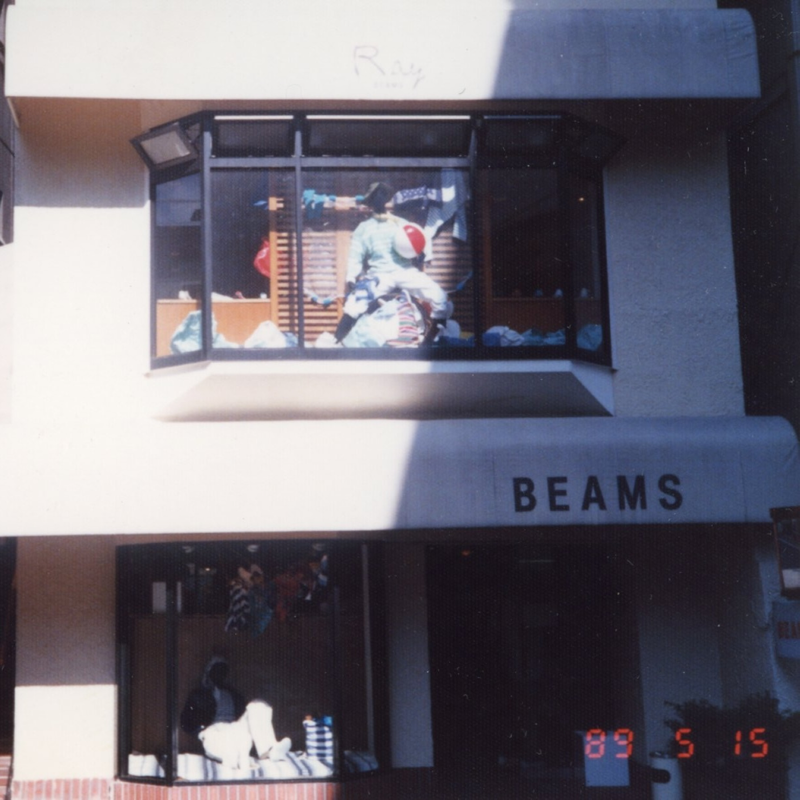
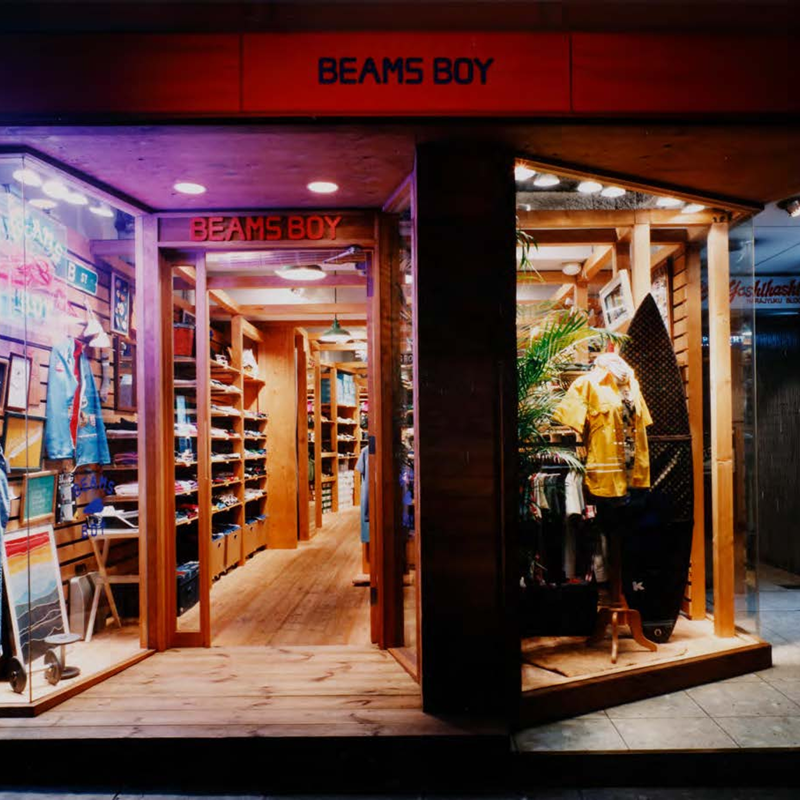
During the strong economic growth of the 1980s Bubble Economy, BEAMS grew by leaps and bounds. In 1984 the company dove into the women's market with the chic and contemporary Ray BEAMS line. Next came a wide diversity of women's labels: the modern and design-conscious Lumiere BEAMS (currently International Gallery BEAMS Women's), the quality-conscious standards brand Lapis BEAMS (currently Demi-Luxe BEAMS) and BEAMS Boy, a womenswear line inspired by casual menswear.
خلال النمو الاقتصادي القوي لـ "اقتصاد الفقاعة" في الثمانينيات، نمت "بيمز" بقفزات هائلة. في عام 1984، دخلت الشركة سوق النساء بخط "Ray BEAMS" الأنيق والمعاصر. تلا ذلك تنوع واسع في العلامات النسائية: "Lumiere BEAMS" الحديثة والتي تركز على التصميم (حالياً International Gallery BEAMS Women's)، والعلامة التي تركز على الجودة القياسية "Lapis BEAMS" (حالياً Demi-Luxe BEAMS)، و"BEAMS Boy"، وهو خط ملابس نسائية مستوحى من ملابس الرجال غير الرسمية.
In 1985 BEAMS made its first retail expansion into the Japanese provinces. To keep up with global trends, BEAMS buyers started regular visits to Europe, culminating in the establishment of offices in London, New York, and Paris. In 1988 the company president Yo Shitara took over management, making the '80s the decade that laid the core foundation for today's BEAMS.
في عام 1985، قامت "بيمز" بأول توسع لها في البيع بالتجزئة في المحافظات اليابانية. ولمواكبة الاتجاهات العالمية، بدأ مشترو "بيمز" زيارات منتظمة إلى أوروبا، توجت بتأسيس مكاتب في لندن ونيويورك وباريس. في عام 1988، تولى رئيس الشركة "يو شيتارا" الإدارة، مما جعل الثمانينيات العقد الذي وضع الأساس الجوهري لـ "بيمز" كما نعرفها اليوم.
1990s التسعينيات
Fashion Segmentation
and Cultural Transmission
تجزئة الموضة والبث الثقافي
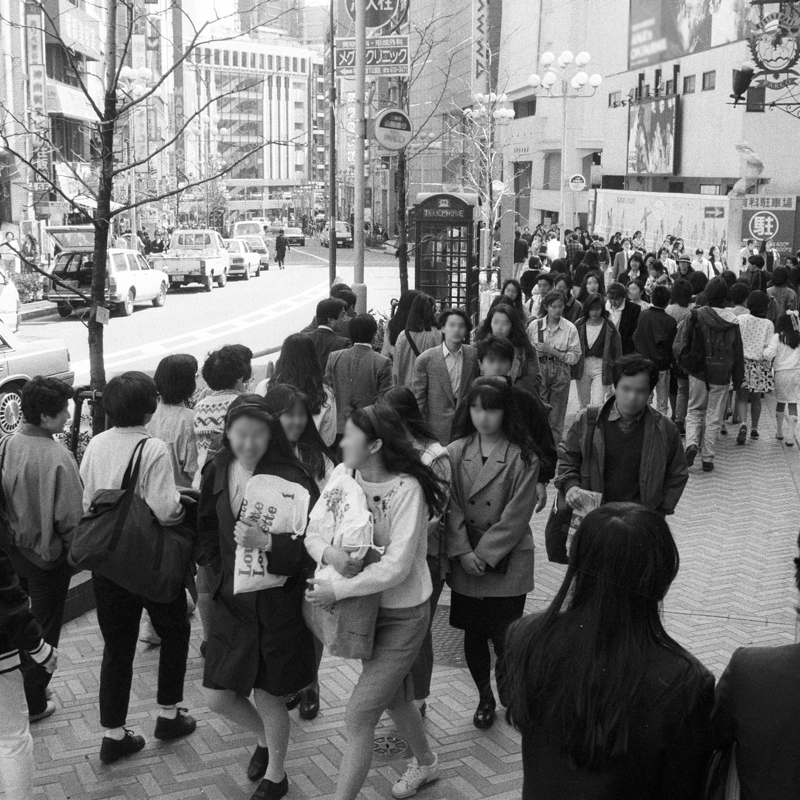
In 1989, just as Japan moved from the Showa era to the Heisei era, the Bubble Economy popped. Yet despite these economic woes, the Japanese youth fashion scene became even more frenetic. And when the heart of Japanese fashion moved to the Shibuya neighborhood at the end of the 1980s and into the early 1990s, the once simple idea of "casual" fragmented into multiple segments.
في عام 1989، وبينما كانت اليابان تنتقل من عصر شوا إلى عصر هيسي، انفجرت الفقاعة الاقتصادية. ورغم هذه المشاكل الاقتصادية، أصبح مشهد الموضة الشبابية في اليابان أكثر صخباً وحيوية. وعندما انتقل قلب الموضة اليابانية إلى حي شيبويا في نهاية الثمانينيات ومطلع التسعينيات، تفتتت فكرة "الكاجوال" التي كانت بسيطة ذات يوم إلى قطاعات متعددة.
No longer was Japanese fashion a monolithic entity: the streets overflowed with a mix of French casual, outdoor looks, and beachy "gal" styles. Japanese specialty stores were the perfect format for these diverse tastes, and competition from other specialty shops like United Arrows, Ships, Baycrews, and Tomorrowland pushed the Japanese fashion market into an era of great rivalry.
لم تعد الموضة اليابانية كياناً واحداً متجانساً: فاضت الشوارع بمزيج من الكاجوال الفرنسي، والمظهر الخارجي (Outdoor)، وأسلوب "غال" (Gal) الشاطئي. كانت المتاجر المتخصصة اليابانية هي الشكل الأمثل لهذه الأذواق المتنوعة، ودفعت المنافسة من متاجر متخصصة أخرى مثل "United Arrows" و"Ships" و"Baycrews" و"Tomorrowland" سوق الموضة الياباني إلى عصر من التنافس الشديد.
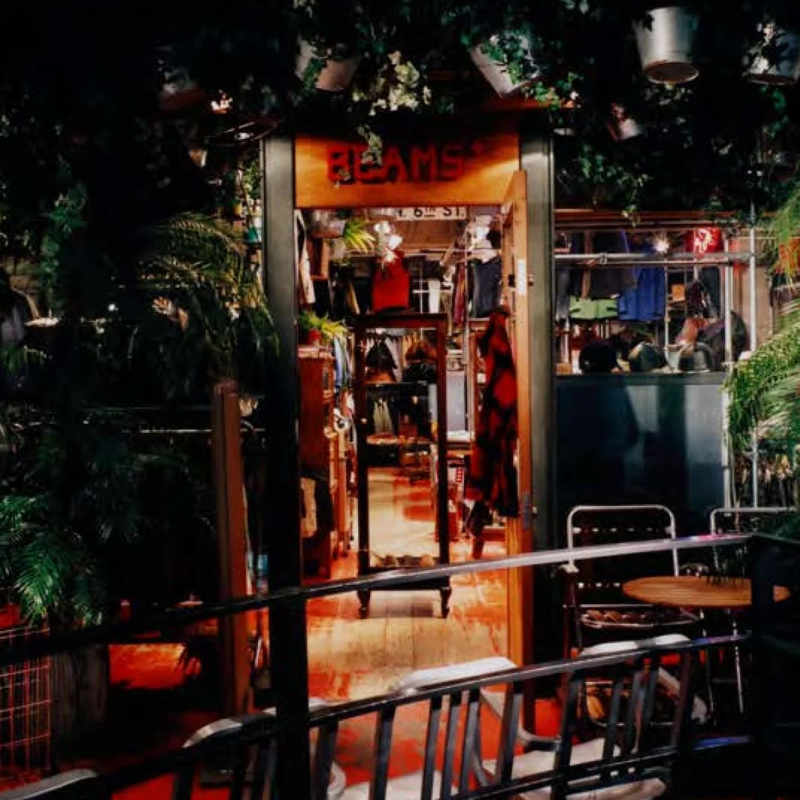
Consumers had a multitude of options, including independent street-wear brands such as A Bathing Ape®, which opened right behind BEAMS Harajuku, as well as the Sofia Coppola–approved X-Girl and her own brand, Milkfed. This style, which sprouted up in the small alleys off the main Harajuku strip, became known as Ura Hara (back Harajuku). These brands not only spread across Japan but also won over the London and New York street-wear scenes as well.
كان أمام المستهلكين خيارات متعددة، بما في ذلك العلامات التجارية المستقلة لملابس الشارع مثل "A Bathing Ape®"، الذي افتتح مباشرة خلف "بيمز هاراجوكو"، بالإضافة إلى "X-Girl" التي نالت استحسان صوفيا كوبولا، وعلامتها التجارية الخاصة "Milkfed". هذا الأسلوب، الذي نبت في الأزقة الصغيرة المتفرعة من شارع هاراجوكو الرئيسي، أصبح يعرف باسم "أورا هارا" (Ura Hara) أي "هاراجوكو الخلفية". لم تنتشر هذه العلامات التجارية في جميع أنحاء اليابان فحسب، بل غزت أيضاً مشهد ملابس الشارع في لندن ونيويورك.
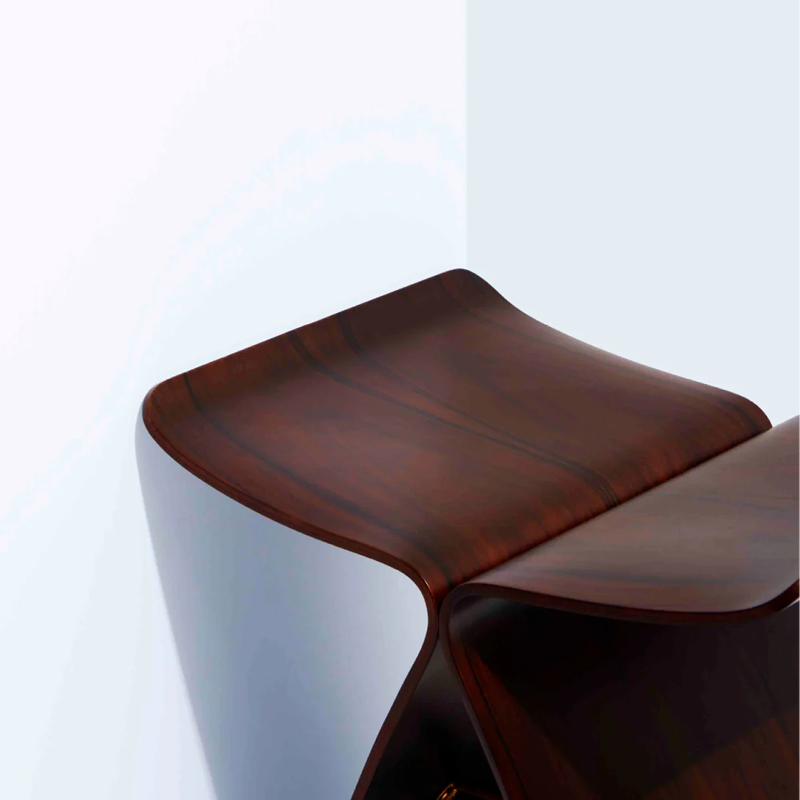
To meet the needs of the times, BEAMS launched multi-label complexes around Japan and expanded its footprint into the broader culture. The company opened cafés, an art gallery, the bPr BEAMS label to sell housewares, and the BEAMS Records record label. Buyers in London supplied BEAMS Modern Living with a selection of midcentury and Scandinavian furniture. The store was later rebranded as fennica, which now sells traditional crafts from Japan and abroad.
لتلبية احتياجات العصر، أطلقت "بيمز" مجمعات متعددة العلامات التجارية في جميع أنحاء اليابان ووسعت بصمتها في الثقافة الأوسع. افتتحت الشركة مقاهٍ، ومعرضاً فنياً، وعلامة "bPr BEAMS" لبيع المستلزمات المنزلية، وشركة التسجيلات "BEAMS Records". زود المشترون في لندن متجر "BEAMS Modern Living" بمجموعة مختارة من أثاث منتصف القرن والأثاث الاسكندنافي. أعيد تسمية المتجر لاحقاً ليصبح "fennica"، والذي يبيع الآن الحرف التقليدية من اليابان والخارج.
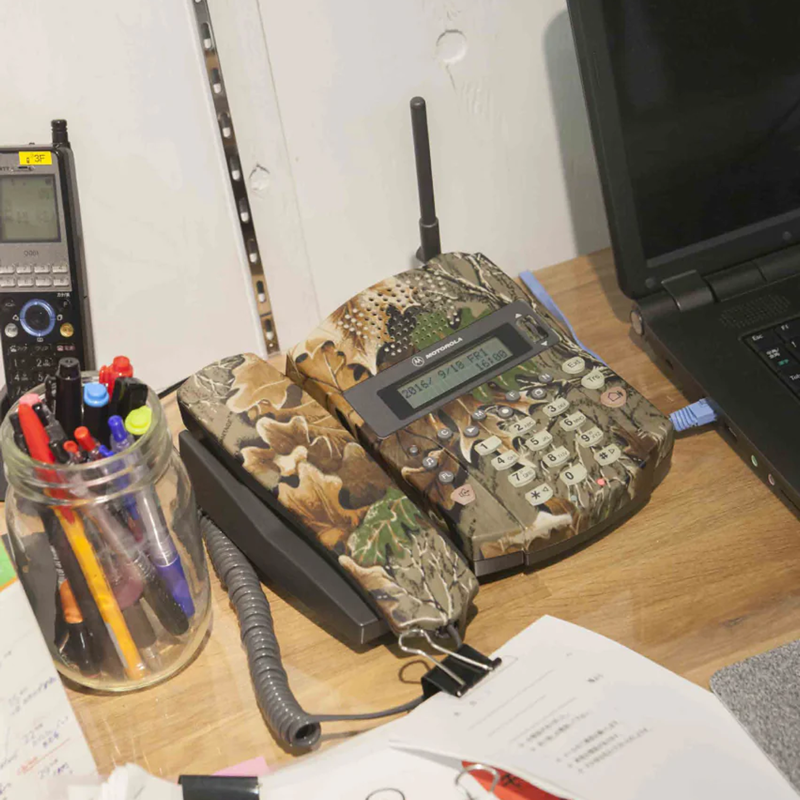
In 1997 BEAMS established BEAMS Works to collaborate with companies such as Sony and Casio. The project included working with Motorola to offer a phone in one hundred different colors, creating Japanese fonts with graphic designer Jonathan Barnbrook, and leading a team of Japanese artists to produce an entire hotel. In 2002 this desire to work with other creators led to BEAMS T, which would give artists a blank canvas for their designs in the form of a T-shirt.
في عام 1997، أسست "بيمز" شركة "BEAMS Works" للتعاون مع شركات مثل "سوني" و"كاسيو". وشمل المشروع العمل مع "موتورولا" لتقديم هاتف بمئة لون مختلف، وإنشاء خطوط يابانية مع مصمم الغرافيك "جوناثان بارنبروك"، وقيادة فريق من الفنانين اليابانيين لإنتاج فندق كامل. في عام 2002، أدت هذه الرغبة في العمل مع مبدعين آخرين إلى إطلاق "BEAMS T"، التي منحت الفنانين قماشاً فارغاً لتصاميمهم على شكل قمصان (T-shirt).
BEAMS also tried out new ways of promoting the brand. The company created the first-ever collaboration issue of the magazine Visionaire and invited the world-famous photographer Terry Richardson to shoot a seasonal catalogue. BEAMS's self-published concept book Light (its name given by Sofia Coppola) won the New York Art Directors Club award.
جربت "بيمز" أيضاً طرقاً جديدة للترويج للعلامة التجارية. أنشأت الشركة أول عدد تعاوني على الإطلاق لمجلة "Visionaire"، ودعت المصور العالمي الشهير "تيري ريتشاردسون" لتصوير كتالوج موسمي. كما فاز كتاب المفاهيم الذي نشرته "بيمز" ذاتياً بعنوان "Light" (الذي أطلقت عليه الاسم صوفيا كوبولا) بجائزة نادي المديرين الفنيين في نيويورك.
Many Japanese apparel companies suffered during the collapse of the Bubble Economy and the subsequent fragmentation of consumer tastes. But for BEAMS, the 1990s became a moment for the brand to show its strengths in not just adapting to but encouraging cultural exploration.
عانت العديد من شركات الملابس اليابانية أثناء انهيار اقتصاد الفقاعة وما تلاه من تفتت في أذواق المستهلكين. ولكن بالنسبة لـ "بيمز"، أصبحت التسعينيات لحظة أظهرت فيها العلامة التجارية قوتها ليس فقط في التكيف، بل في تشجيع الاستكشاف الثقافي.
2000s العقد الأول من الألفية
Going Back to Authentic Goods and the Start of Overseas Expansion
العودة إلى السلع الأصيلة
وبداية التوسع الخارجي
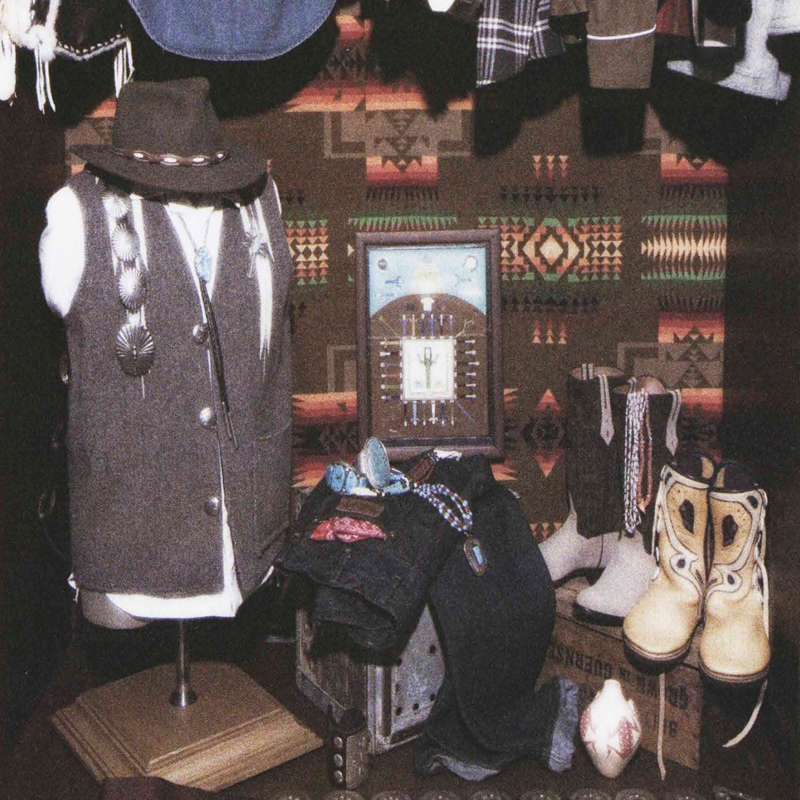
Although Japanese fashion continued to be dominated by street style in the first years of the new century, BEAMS wanted to try something against trends. The label BEAMS Plus launched in 1999 with the concept of "authentic menswear that can be worn forever," putting a contemporary spin on American menswear from its golden age of the mid-1940s to the mid-1960s. The BEAMS Plus designers obsessed over sturdy fabrics and high-quality construction. The brand took off with both the company's regular customers as well as those who worked in the fashion industry at large.
على الرغم من استمرار سيطرة أسلوب الشارع على الموضة اليابانية في السنوات الأولى من القرن الجديد، أرادت "بيمز" تجربة شيء معاكس للتيار. أُطلقت علامة "BEAMS Plus" في عام 1999 بمفهوم "ملابس رجالية أصيلة يمكن ارتداؤها للأبد"، واضعة لمسة عصرية على الملابس الرجالية الأمريكية من عصرها الذهبي الممتد من منتصف الأربعينيات إلى منتصف الستينيات. كان مصممو "BEAMS Plus" مهووسين بالأقمشة المتينة والبناء عالي الجودة. انطلقت العلامة بنجاح سواء مع عملاء الشركة المنتظمين أو العاملين في صناعة الأزياء بشكل عام.
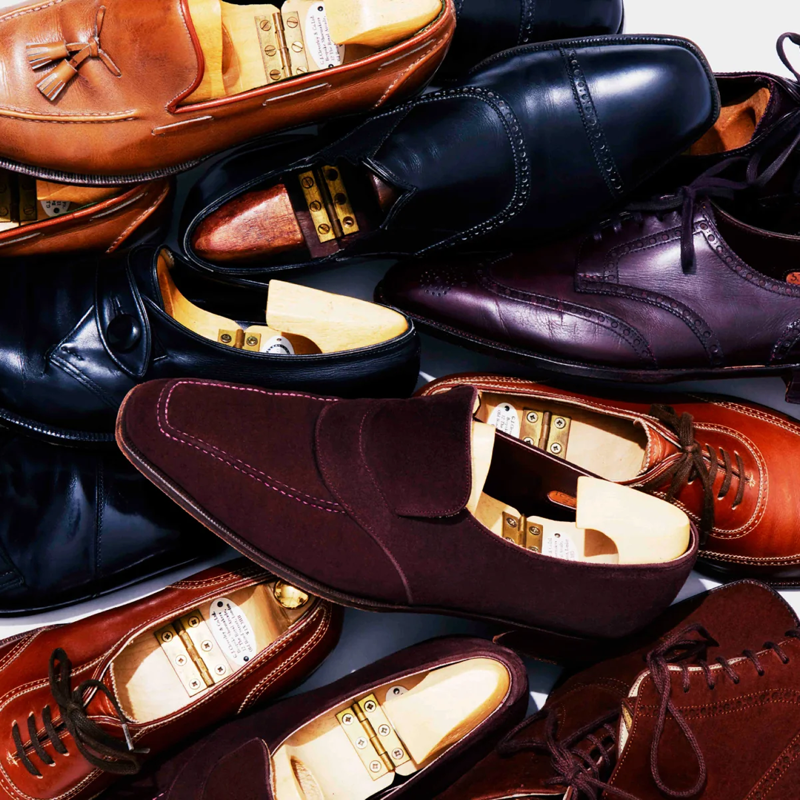
In the mid-2000s, BEAMS fell for the originality and presentation style of Stella Ishii's New York showroom The News, which culminated in a strong working relationship. On the men's side, trends bifurcated into two competing looks: classic Americana versus menswear with delicate, feminine details, as represented by Chitose Abe's sacai. As traditional styles took over the market, BEAMS Plus started to be sold overseas for the first time through Italy's celebrated purveyor of heritage brands, WP Group.
في منتصف العقد الأول من الألفية، أُعجبت "بيمز" بأصالة وأسلوب تقديم صالة عرض "The News" لستيلا إيشي في نيويورك، مما توج بعلاقة عمل قوية. على الجانب الرجالي، انقسمت الاتجاهات إلى مظهرين متنافسين: "الأمريكانا" الكلاسيكية مقابل الملابس الرجالية ذات التفاصيل الدقيقة والأنثوية، كما تمثلها علامة "sacai" للمصممة شيتوسي آبي. ومع سيطرة الأساليب التقليدية على السوق، بدأت "BEAMS Plus" تباع في الخارج لأول مرة من خلال "WP Group"، المورد الشهير للعلامات التراثية في إيطاليا.
Japan has been seen as the most advanced fashion market in Asia since the 1980s, so when neighboring countries started to experience rapid economic growth, those consumers looked to the sharp editorial eye of BEAMS for the latest fashion and lifestyles. With high demand from abroad, BEAMS opened shops outside Japan for the first time.
كان يُنظر إلى اليابان على أنها سوق الموضة الأكثر تقدماً في آسيا منذ الثمانينيات، لذا عندما بدأت الدول المجاورة تشهد نمواً اقتصادياً سريعاً، تطلع هؤلاء المستهلكون إلى النظرة التحريرية الثاقبة لـ "بيمز" للحصول على أحدث صيحات الموضة وأساليب الحياة. ومع ارتفاع الطلب من الخارج، افتتحت "بيمز" متاجر خارج اليابان لأول مرة.
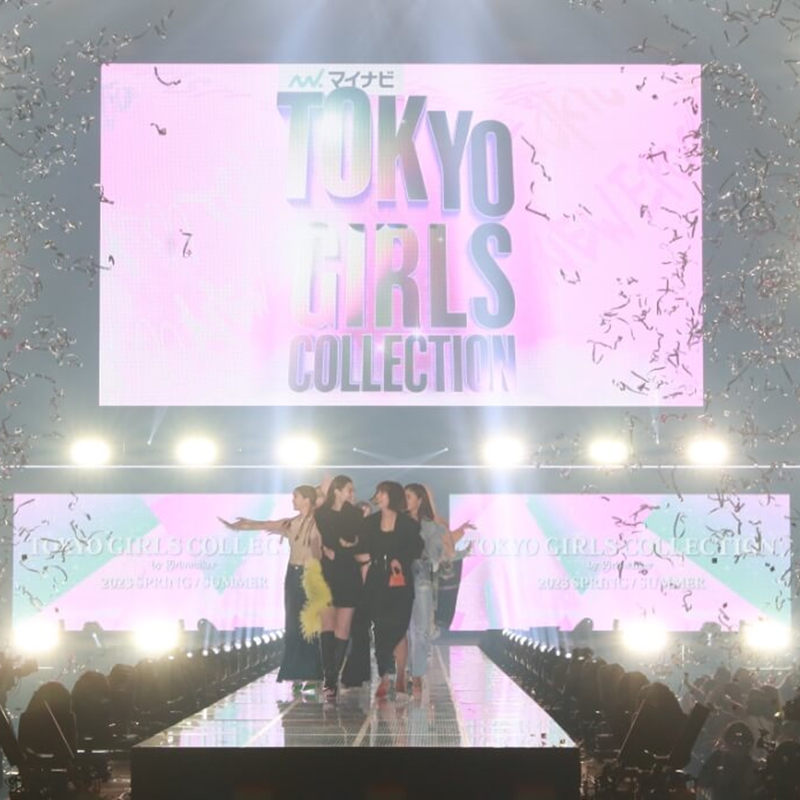
May 2005 saw the launch of the company's first overseas store in Causeway Bay, Hong Kong, with BEAMS opening more shops in Hong Kong throughout the year. So began an Asian expansion strategy that now includes locations in Beijing, Taipei, and Bangkok. On the domestic front, BEAMS expanded its cultural collaborations, including the creation of official staff uniforms and merchandise for the globally renowned music festival Fuji Rock Festival.
شهد شهر مايو 2005 إطلاق أول متجر خارجي للشركة في "كوزواي باي" (Causeway Bay) بهونغ كونغ، مع افتتاح المزيد من المتاجر في هونغ كونغ على مدار العام. وهكذا بدأت استراتيجية التوسع الآسيوي التي تشمل الآن مواقع في بكين وتايبيه وبانكوك. على الصعيد المحلي، وسعت "بيمز" تعاوناتها الثقافية، بما في ذلك إنشاء زي الموظفين الرسمي والبضائع لمهرجان الموسيقى العالمي الشهير "Fuji Rock Festival".
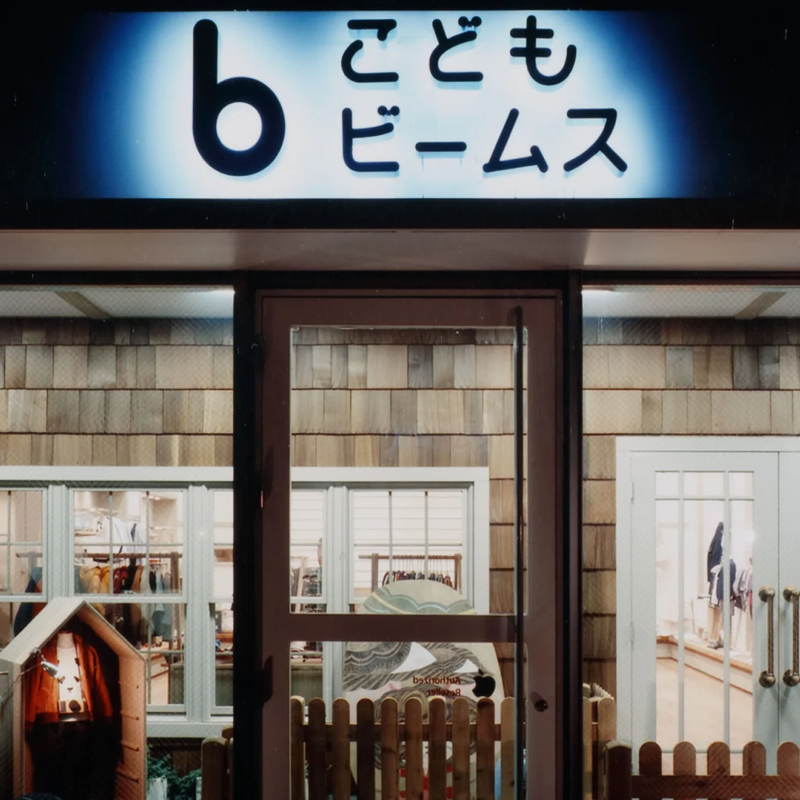
In the 2000s, BEAMS launched an e-commerce site and greatly expanded its brick-and-mortar locations. Employees who had recently become mothers proposed launching a children's clothing business, culminating in the shop Kodomo BEAMS. Meanwhile, BEAMS House opened as a large-scale complex for upscale men's and women's dress clothes. And a decade of BEAMS buyers' visits to semiannual menswear Florence tradeshow Pitti Uomo allowed the company to introduce the world's latest trends into the Japanese fashion market.
في العقد الأول من الألفية، أطلقت "بيمز" موقعاً للتجارة الإلكترونية ووسعت بشكل كبير مواقع متاجرها الفعلية. اقترحت الموظفات اللواتي أصبحن أمهات حديثاً إطلاق عمل لملابس الأطفال، وتوج ذلك بمتجر "Kodomo BEAMS". في الوقت نفسه، افتتح "BEAMS House" كمجمع واسع النطاق للملابس الرسمية الراقية للرجال والنساء. وسمحت عقد كامل من زيارات مشتري "بيمز" لمعرض الملابس الرجالية نصف السنوي في فلورنسا "Pitti Uomo" للشركة بتقديم أحدث اتجاهات العالم إلى سوق الموضة الياباني.
At the end of the decade, the opening of a small shop, Vermeerist BEAMS, helped the brand return to its roots. Vermeerist BEAMS was based on the innovative idea that store buyers would work as the store staff so they could directly communicate with customers about the products.
في نهاية العقد، ساعد افتتاح متجر صغير، "Vermeerist BEAMS"، العلامة التجارية على العودة إلى جذورها. كان "Vermeerist BEAMS" قائماً على فكرة مبتكرة تتمثل في أن يعمل مشترو المتجر كموظفي المتجر حتى يتمكنوا من التواصل المباشر مع العملاء حول المنتجات.
Despite its small scale, Vermeerist BEAMS received high praise from fashion elites and helped many further deepen their love for fashion. The store came just as the explosion of fashion magazines in Japan created a new generation of "star buyers" and "charismatic PR staff" who became the faces of the fashion industry.
على الرغم من صغر حجمه، نال "Vermeerist BEAMS" إشادة عالية من نخب الموضة وساعد الكثيرين على تعميق حبهم للموضة. جاء المتجر تزامناً مع انفجار مجلات الموضة في اليابان، مما خلق جيلاً جديداً من "المشترين النجوم" و"موظفي العلاقات العامة الكاريزميين" الذين أصبحوا وجوه صناعة الأزياء.
2010s العقد الثاني من الألفية
A Maturing Market and Diversification
نضج السوق والتنوع
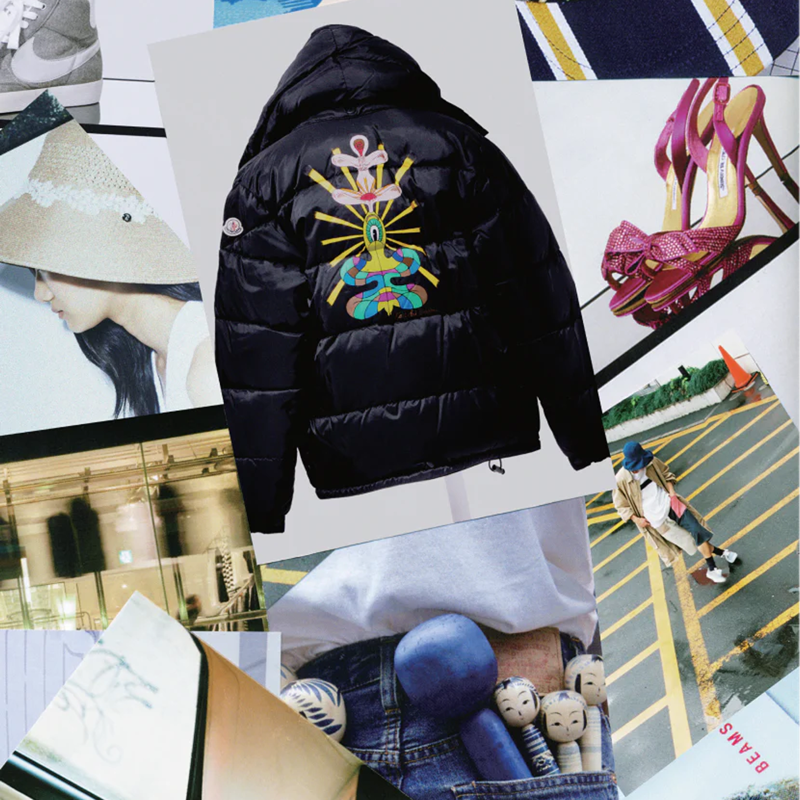
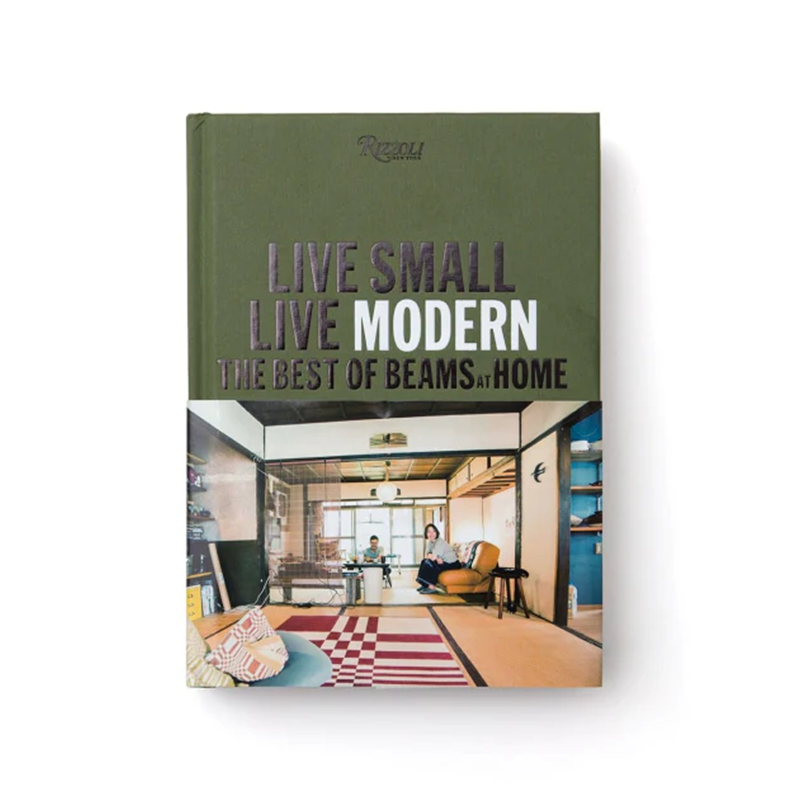
This newfound focus on people gave BEAMS a clear direction for the 2010s. Adapting to the era of social media, BEAMS turned a member of the PR team into a brand ambassador and later appointed her director of the biggest women's label. In addition, BEAMS would extend its secret weapon—its staff's editorial prowess and discerning eyes—to other companies through the BEAMS Institute of Creation. After collaboration with the automotive company SUBARU, the Institute produced fashion brands for famous female celebrities as well as books and performances.
أعطى هذا التركيز الجديد على العنصر البشري لـ "بيمز" اتجاهاً واضحاً للعقد الثاني من الألفية. وللتكيف مع عصر وسائل التواصل الاجتماعي، حولت "بيمز" عضوة في فريق العلاقات العامة إلى سفيرة للعلامة التجارية، وعينتها لاحقاً مديرة لأكبر علامة نسائية لديها. بالإضافة إلى ذلك، وسعت "بيمز" استخدام سلاحها السري - البراعة التحريرية لموظفيها وعيونهم الثاقبة - ليشمل شركات أخرى من خلال "معهد بيمز للإبداع" (BEAMS Institute of Creation). بعد التعاون مع شركة السيارات "سوبارو"، أنتج المعهد علامات أزياء لمشاهير من النساء، بالإضافة إلى كتب وعروض.
From 2014 to 2015, BEAMS renovated its original Harajuku location to focus on men's casual wear. The first floor would become home to a series of revolving pop-up shops—the store as seasonal magazine. Every few months, staff would completely change the interior and merchandising to offer a seasonal theme.
من عام 2014 إلى 2015، جددت "بيمز" موقعها الأصلي في هاراجوكو للتركيز على الملابس الرجالية غير الرسمية. أصبح الطابق الأول موطناً لسلسلة من المتاجر المؤقتة (Pop-up) المتجددة - المتجر كمجلة موسمية. كل بضعة أشهر، يقوم الموظفون بتغيير الديكور الداخلي والبضائع بالكامل لتقديم موضوع موسمي.
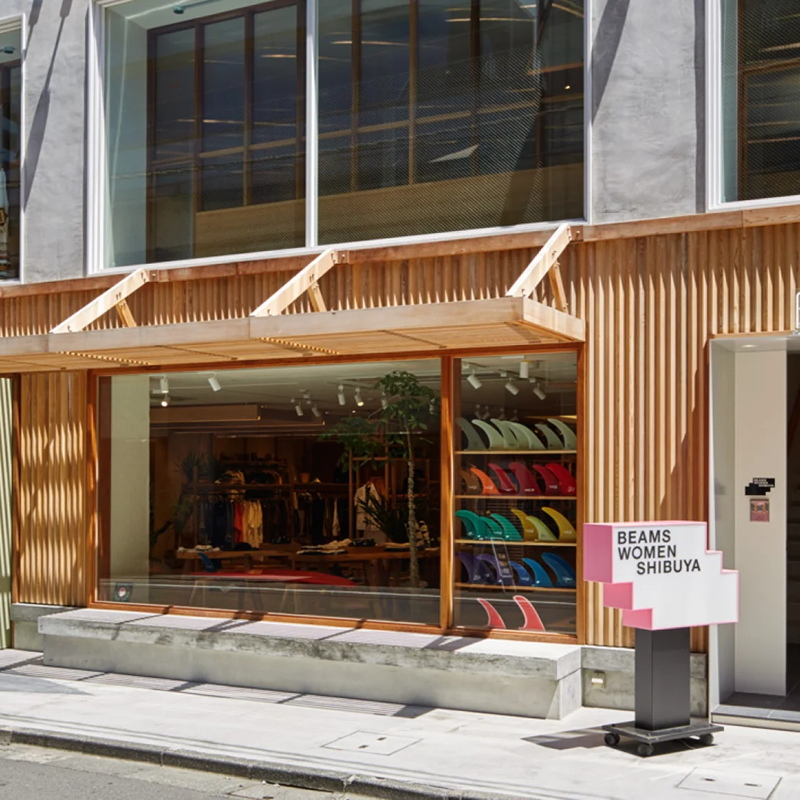
Some of these ideas turned into permanent stores elsewhere. New York's Pilgrim Surf + Supply, for example, took part in a pop-up and went on to work with BEAMS to open an entire flagship in Shibuya. The second floor of the Pilgrim Surf+Supply store is the women's flagship casual store, which recently underwent a renovation to become the first in the company's history to be created for women by women.
على سبيل المثال، شاركت "Pilgrim Surf + Supply" من نيويورك في متجر مؤقت، ثم عملت مع "بيمز" لافتتاح متجر رئيسي كامل في شيبويا. الطابق الثاني من متجر "Pilgrim Surf + Supply" هو المتجر الرئيسي للملابس النسائية غير الرسمية، والذي خضع مؤخراً لتجديد ليصبح الأول في تاريخ الشركة الذي تم إنشاؤه للنساء بواسطة النساء.
After the economic crisis of 2008, menswear became even more focused on traditional styles and brands. During this time, BEAMS Plus caught the eye of Toby Bateman, managing director of the e-commerce site Mr Porter. The label found further distribution in New York City's Bergdorf Goodman department store. With BEAMS Plus, the company was respected not just as a retail shop but as a clothing brand as well. Even now, the label remains one of the pillars of the company's export strategy.
بعد الأزمة الاقتصادية عام 2008، أصبحت الملابس الرجالية أكثر تركيزاً على الأنماط والعلامات التجارية التقليدية. خلال هذا الوقت، لفتت "BEAMS Plus" انتباه توبي بيتمان، المدير الإداري لموقع التجارة الإلكترونية "Mr Porter". وجدت العلامة توزيعاً إضافياً في متجر "Bergdorf Goodman" في مدينة نيويورك. مع "BEAMS Plus"، اكتسبت الشركة احتراماً ليس فقط كمتجر تجزئة ولكن كعلامة تجارية للملابس أيضاً. وحتى الآن، تظل العلامة واحدة من ركائز استراتيجية التصدير للشركة.
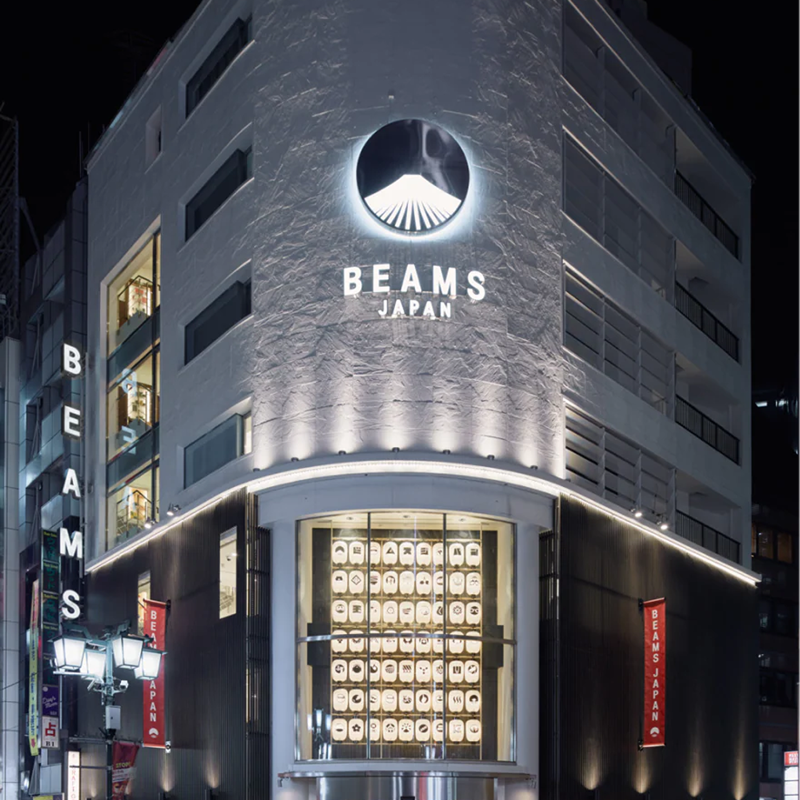
BEAMS's business started with the idea of introducing great global products to Japan, but in 2016 the company launched a new project called BEAMS Team Japan to support Japanese goods, people, and things. BEAMS worked with local governments countrywide to compose guidebooks for various regions and to create new goods based on local craft traditions. The Shinjuku store became BEAMS Japan, stocked with clothing and items, from traditional to subcultural, that reflect a Japanese sensibility or take advantage of Japanese craftsmanship.
بدأ عمل "بيمز" بفكرة تقديم منتجات عالمية رائعة لليابان، ولكن في عام 2016 أطلقت الشركة مشروعاً جديداً يسمى "BEAMS Team Japan" لدعم البضائع والأشخاص والأشياء اليابانية. عملت "بيمز" مع الحكومات المحلية في جميع أنحاء البلاد لتأليف كتب إرشادية لمناطق مختلفة وابتكار سلع جديدة بناءً على تقاليد الحرف المحلية. أصبح متجر شينجوكو "BEAMS Japan"، المكدس بالملابس والعناصر، من التقليدية إلى الثقافات الفرعية، التي تعكس حساً يابانياً أو تستفيد من الحرفية اليابانية.
The company is now exporting these original made-in-Japan goods to London and Paris. That same year, BEAMS worked with Mr Porter to hold an exhibition at London's Men's Fashion Week showcasing Japan's up-and-coming brands. BEAMS's core approach has remained unchanged since the beginning: casting a light on quality products from around the world and leaving customers with beaming smiles. That mission has already taken the brand across all of Japan, and now the world, and will surely continue to grow into the future.
تقوم الشركة الآن بتصدير هذه البضائع الأصلية المصنوعة في اليابان إلى لندن وباريس. وفي نفس العام، عملت "بيمز" مع "Mr Porter" لإقامة معرض في أسبوع الموضة الرجالية في لندن لعرض العلامات التجارية الصاعدة في اليابان. ظلت مقاربة "بيمز" الجوهرية ثابتة منذ البداية: تسليط الضوء على المنتجات عالية الجودة من جميع أنحاء العالم ورسم الابتسامة المشرقة على وجوه العملاء. تلك المهمة أخذت العلامة التجارية بالفعل عبر كل اليابان، والآن العالم، وستستمر بالتأكيد في النمو نحو المستقبل.

2020s العشرينات من الألفية
Global Expansion and the Rise of Community
توسع وصعود قوة المجتمع
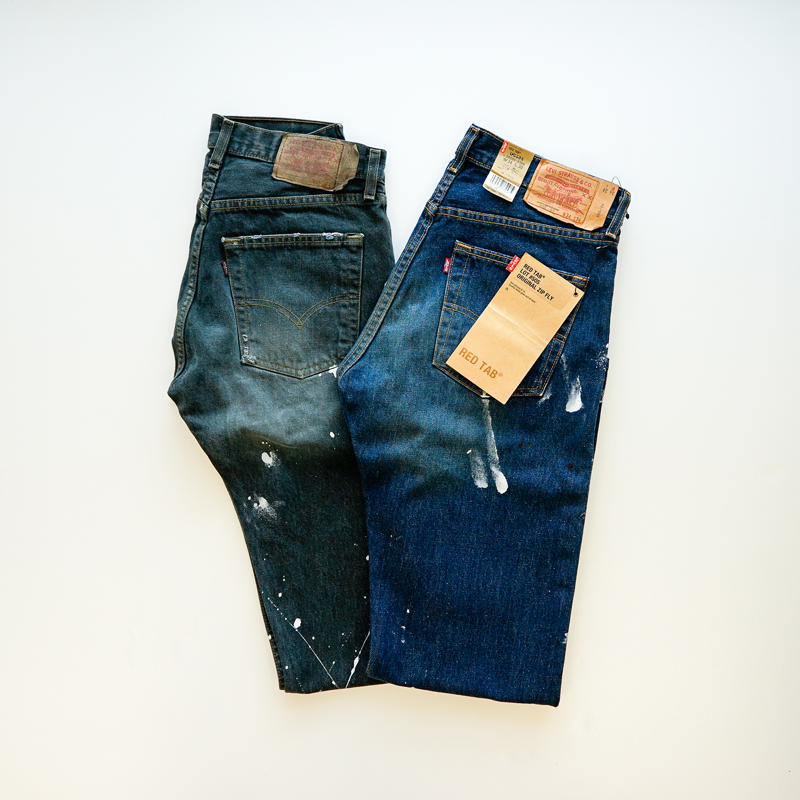
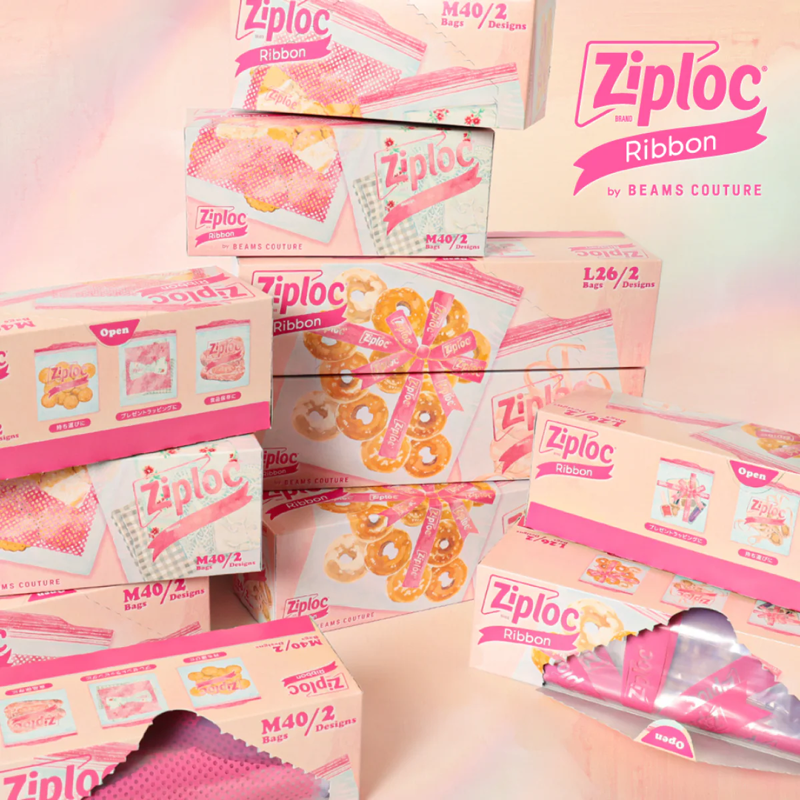
BEAMS continues its global push, maintaining collaborations with global brands like Levi's and Arc'teryx, and expanding its influence across genres by partnering with Palace Skateboards on streetwear and Ziploc on household goods. Alongside this growth, BEAMS has undergone three key transformations since the late 2010s.
تواصل BEAMS مساعيها نحو التوسع العالمي، مُحافظةً على تعاونها مع علامات تجارية عالمية مثل Levi's وArc'teryx، كما تعمل على توسيع نطاق تأثيرها ليشمل فئات متنوعة من خلال الشراكة مع Palace Skateboards في مجال أزياء الشارع (Streetwear)، وZiploc في قطاع السلع المنزلية. وبالتزامن مع هذا النمو، شهدت BEAMS ثلاثة تحولات جوهرية منذ أواخر سنوات الـ 2010.
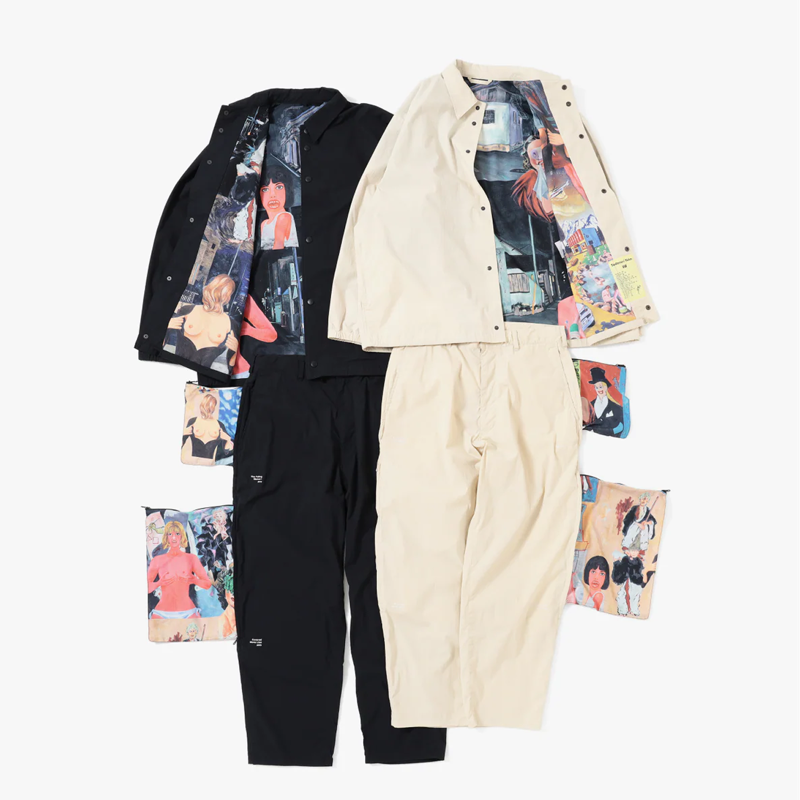
First, a deeper integration into art and culture. Founded in 1976, BEAMS's customers have strongly associated the brand with apparel. However, since the 1990s, it has embraced its role as a cultural hub, launching BEAMS Cultuart as a dedicated brand to shine light on art, design, and culture. Further, in 2022, BEAMS launched the label Mangart BEAMS to explore the world of anime and manga culture.
أولاً: تعزيز الاندماج في مجالي الفن والثقافة. منذ تأسيسها عام 1976، ارتبط اسم BEAMS في ذهن عملائها بشكل وثيق بالأزياء والملابس. ومع ذلك، ومنذ حقبة التسعينيات، تبنت الشركة دورها كمركز ثقافي، حيث أطلقت علامة "BEAMS Cultuart" المتخصصة لتسليط الضوء على الفنون والتصميم والثقافة. وعلاوة على ذلك، أطلقت الشركة في عام 2022 علامة "Mangart BEAMS" لاستكشاف عالم ثقافة الأنمي والمانغا.
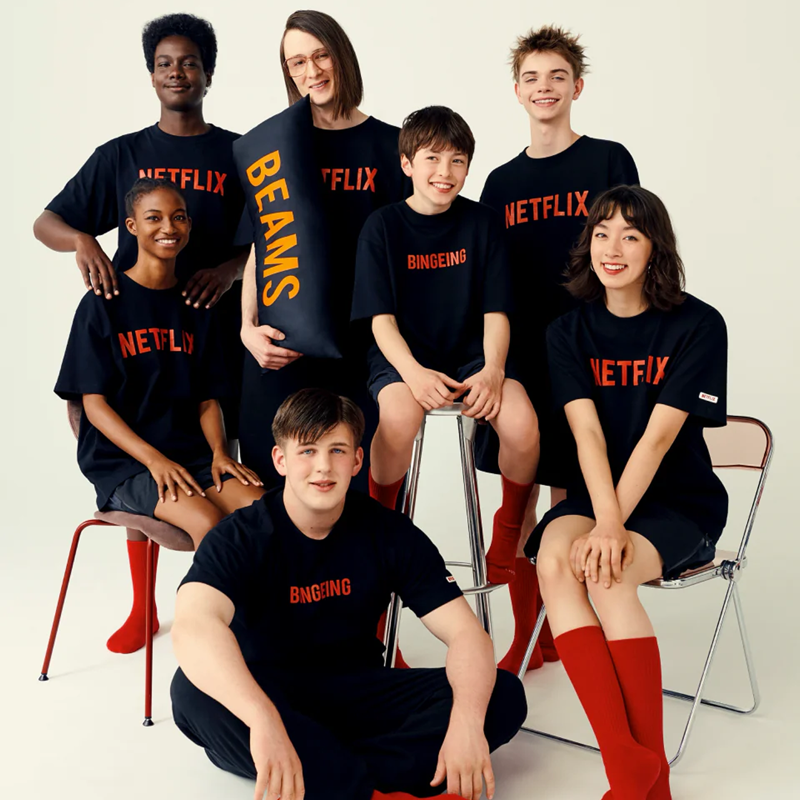
BEAMS has also created products in collaboration with artists like Tom Sachs and Barry McGee, as well as entertainment giants Netflix and A24, further embedding itself into the global creative landscape.
كما قامت BEAMS بابتكار منتجات بالتعاون مع فنانين بارزين مثل Tom Sachs وBarry McGee، بالإضافة إلى عمالقة الترفيه مثل Netflix وA24، مما ساهم في ترسيخ مكانتها بشكل أعمق في المشهد الإبداعي العالمي.
Second, a shift to B2B services. BEAMS Creative now leverages decades of retail insight to offer branding, product development, and sales strategies to corporate clients, effectively transforming BEAMS's "editorial eye" into a service for the broader market.
ثانياً، الانتقال إلى خدمات قطاع الأعمال (B2B). تستفيد شركتها التابعة، "BEAMS Creative"، الآن من خبرة "بيمز" في البيع بالتجزئة لتقديم استراتيجيات الهوية التجارية، وتطوير المنتجات، والمبيعات للعملاء من الشركات، مما يوسع نطاق وصولها إلى ما هو أبعد من تجارة التجزئة الاستهلاكية.
Finally, and perhaps most significantly, a fundamental shift in vision. In 2024, BEAMS redefined its corporate philosophy as "Happy Life Solution Communities." This signals a transition from a traditional retail company to an interconnected cultural network. By fostering these connections, BEAMS is evolving beyond commerce, aspiring to build a global creative community that enriches lives through shared passion and culture.
وأخيراً، تحول في الرؤية. في عام 2024، أعادت "بيمز" تعريف فلسفتها لتصبح "مجتمعات تبتكر حلولاً لحياة سعيدة" (Happy Life Solution Communities)، مما يشير إلى الانتقال من شركة إلى "مجتمعات" – شبكة ثقافية مترابطة. وبهذا، تتطور "بيمز" إلى ما هو أبعد من البيع بالتجزئة، معززة مجتمعاً إبداعياً عالمياً يتجاوز التجارة.
Text provided by
- 1970s - 2010s
-
Kaname Murakami
Editor-In-Chief, WWD JAPANكانامي موراكامي
(رئيس تحرير WWD JAPAN)W. David Marx
Author of "Status and Culture"
and "Ametora"دبليو ديفيد ماركس
مؤلف كتابي "Status and Culture" و "Ametora"
- 2020s
-
BEAMS
بيمز
Chat with us
Reach out to us for any questions or assistance – we're happy to help.